No, AI is not replacing search. It is reshaping search into a distributed journey across Google, ChatGPT, Gemini, Perplexity, YouTube, Reddit, marketplaces, review platforms, and company websites. People use each platform for different needs. Therefore, businesses must build visibility across the complete discovery ecosystem rather than depend on one ranking channel.
AI can replace parts of the research process, especially basic explanations, summaries, comparisons, and early product discovery. However, customers still use search engines and other platforms to verify claims, inspect reviews, compare alternatives, locate businesses, view demonstrations, and complete transactions.
Where Customers Search Now
Customers do not think in marketing channels. Instead, they choose whichever platform can answer their next question most effectively.
| Platform | Common Intent | Business Opportunity |
|---|---|---|
| Navigation, local search, reviews, current information | Rankings, maps, ads, and validation | |
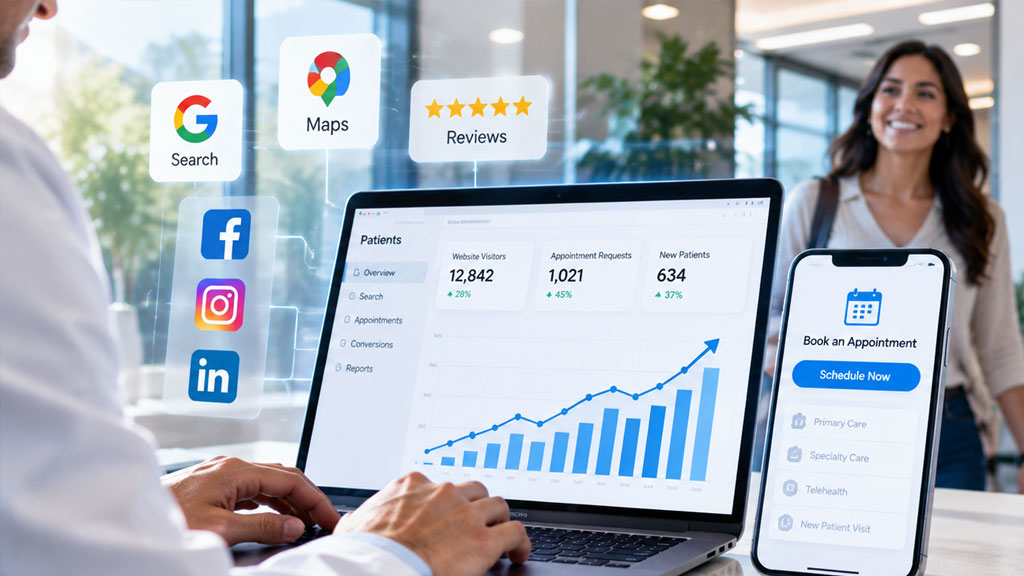
| ChatGPT and Gemini | Research, explanations, comparisons, and planning | Brand mentions, citations, and recommendations |
| Perplexity | Citation-led research | Earned source visibility |
| YouTube | Tutorials, reviews, and demonstrations | Visual proof and education |
| Reddit and communities | Peer experiences and objections | Reputation and community authority |
| Marketplaces | Price, reviews, availability, and purchase | Product discovery and conversion |
| Company website | Validation and decision-making | Leads, sales, trust, and first-party data |
AI visibility is the likelihood that a brand will appear accurately in AI-generated recommendations, summaries, or citations. It is not limited to direct referral traffic. A buyer may discover a company through AI and later arrive through Google, direct navigation, YouTube, LinkedIn, or a review site.
What AI Search Is Actually Replacing
AI increasingly handles work that previously required opening several webpages and combining the information manually. This includes definitions, summaries, early-stage research, shortlists, basic comparisons, planning, and follow-up questions.
Consequently, some informational pages may receive fewer clicks even when their information influences the customer journey. That creates an attribution gap because analytics may record only the final branded search or direct website visit.
What this means: AI is replacing part of the manual research process. It is not eliminating the need to discover, compare, verify, and act.
Can AI Replace Google?
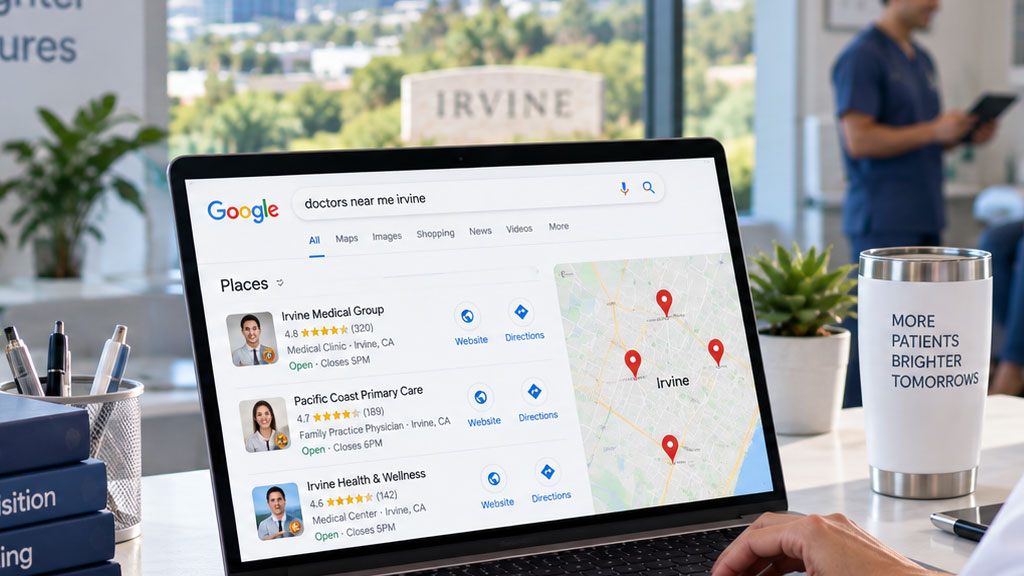
AI can replace some informational searches, but it cannot replace every function Google performs. Users still depend on Google for navigation, local businesses, maps, reviews, current information, shopping, official websites, and final verification.
Meanwhile, Google is adding generative answers to its own search experience. As a result, the distinction between traditional search and AI search is becoming less clear.
The Customer Journey Has Changed
| Traditional Journey | Modern Distributed Journey |
|---|---|
| Search Google | Ask an AI assistant |
| Open a website | Verify options on Google |
| Compare offers | Read reviews and community discussions |
| Make a purchase | Watch demonstrations, visit vendor sites, and request pricing |
For example, a buyer may ask ChatGPT for CRM recommendations, search the vendors on Google, read reviews, watch YouTube demonstrations, inspect Reddit complaints, and then visit the preferred company’s website.
The website may receive credit for the final conversion, even though several platforms influenced the decision.
Why Traditional SEO Still Matters
SEO remains the foundation that helps search engines and AI systems access, interpret, evaluate, and retrieve a company’s information.
Technical SEO supports crawlability, indexing, website speed, mobile usability, internal linking, structured data, and security. Meanwhile, on-page SEO clarifies what the company offers, who it serves, and why its pages are relevant.
Entity SEO focuses on helping search engines and AI systems understand people, organizations, services, products, locations, and their relationships rather than matching keywords alone.
A slow, insecure, confusing, or unreliable website will struggle regardless of whether the visitor arrives from Google, ChatGPT, Gemini, advertising, or social media.
SEO vs. GEO: What Is the Difference?
| SEO | GEO and AI Visibility |
|---|---|
| Improves visibility in search results | Improves inclusion in generated answers |
| Optimizes webpages and websites | Optimizes information across multiple sources |
| Measures rankings, clicks, and conversions | Measures mentions, citations, context, and assisted demand |
| Targets search queries | Targets conversational questions and decision prompts |
The disciplines overlap substantially. Strong AI visibility usually depends on technical SEO, clear content, structured information, reviews, original expertise, brand authority, and reputable third-party mentions.
Therefore, GEO should not replace SEO. It should expand an existing digital visibility strategy.
Why Authority Matters More Than Content Volume
Generative AI has made content easier to produce. However, publishing more pages does not automatically create greater authority.
Brands become credible through named experts, original insights, useful comparisons, customer reviews, case studies, consistent business information, strong service positioning, and reputable external references.
Expert observation: Declining informational traffic does not always mean SEO is failing. Some buyers now complete more research inside AI systems before visiting a website. Consequently, qualified leads, branded searches, and conversion rates may become more meaningful than traffic volume alone.
The Website Still Converts Discovery Into Revenue
AI visibility may introduce a company, but the website must earn the next step. It should clearly explain the offer, audience, process, differentiators, proof, and expected outcome.
Technical problems can quickly destroy trust. Malware warnings, broken forms, slow pages, outdated plugins, expired SSL certificates, downtime, poor mobile usability, and outdated content can prevent a qualified visitor from becoming a lead.
Discovery creates opportunity. Website quality determines whether that opportunity becomes revenue.
What Business Owners Should Do First
- Audit the website. Fix security, speed, indexing, mobile usability, broken links, and conversion problems.
- Measure current visibility. Review Google rankings, branded searches, reviews, AI mentions, citations, and competitor visibility.
- Improve decision-stage pages. Add comparisons, pricing guidance, use cases, FAQs, alternatives, and clear service explanations.
- Strengthen authority. Build reviews, expert profiles, case studies, industry mentions, partnerships, and original insights.
- Improve conversion. Make consultations, demonstrations, downloads, pricing requests, and contact options easy to find.
Businesses should prioritize the platforms their customers actually use. A local service company may focus on Google Maps, reviews, AI explanations, and its website. A software company may need Google, AI assistants, YouTube, review sites, communities, and comparison pages.
What AI Search Optimization Cannot Guarantee
A credible AI visibility strategy can improve clarity, authority, technical accessibility, and citation eligibility. However, it cannot guarantee:
- Permanent placement in an AI answer
- Consistent citations across every platform
- Perfect or error-free summaries
- A specific amount of referral traffic
- Control over model updates or generated recommendations
Businesses should be skeptical of agencies promising guaranteed ChatGPT rankings. AI answers vary by platform, prompt wording, location, user context, source availability, and model changes.
Is AI Search Optimization Worth It?
AI search optimization is worth considering when it strengthens technical SEO, content usefulness, brand authority, cross-platform visibility, and website conversion.
It is particularly valuable for companies with complex services, research-heavy buying journeys, high-value leads, competitive markets, or established SEO programs.
However, it is not a shortcut. Businesses with broken websites, unclear positioning, poor reviews, weak analytics, or limited sales capacity should address those foundations first.
Key Takeaways
- AI is reshaping search rather than eliminating it.
- Customers use different platforms for different intentions.
- Google remains important for navigation, local search, reviews, and validation.
- SEO supports visibility in both traditional and AI-assisted discovery.
- Authority and corroboration matter more than mass content production.
- Websites remain the primary environment for trust and conversion.
- The strongest strategy optimizes the complete customer journey.
If your business is unsure where it appears across Google, AI assistants, review platforms, communities, and industry websites, an integrated visibility audit can identify the most important gaps. Blue Stage Marketing helps connect AI SEO, content strategy, website performance, authority building, and conversion into one coordinated discovery system.
Frequently Asked Questions
Is AI replacing Google Search?
No. AI is replacing some informational search activity, but Google remains essential for navigation, local results, reviews, current information, shopping, verification, and transactions.
Does SEO still matter in the age of AI?
Yes. Technical accessibility, clear content, structured information, authority, internal linking, and trustworthy websites support visibility in both conventional search and AI-generated answers.
What is the difference between SEO and GEO?
SEO primarily improves visibility in search results. GEO improves the likelihood that authoritative and corroborated information will be included in generated answers. The two approaches share many of the same foundations.
How can a business appear in AI-generated answers?
Publish clear expert content, strengthen technical SEO, answer buying questions, maintain consistent business information, earn credible mentions, collect genuine reviews, and build authority beyond the company website.
How should AI search visibility be measured?
Track brand mentions, citations, recommendation context, AI referrals, competitive visibility, branded search growth, direct traffic, lead quality, conversion rates, and customer-reported discovery. No single metric provides a complete view.